
loading
Gut Bleeding

Gut Bleeding

  • Category : Gut Bleeding


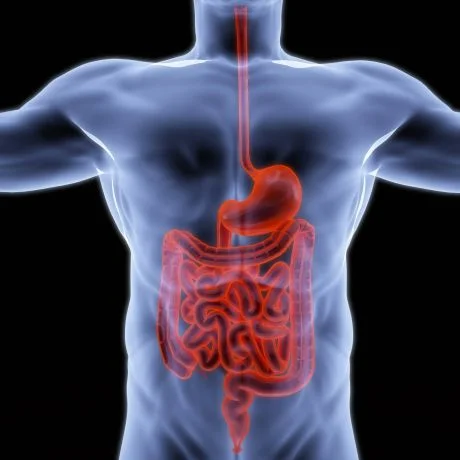
Gut Bleeding, also known as gastrointestinal (GI) bleeding, is a serious medical condition that occurs when there is bleeding anywhere in the digestive tract, including the esophagus, stomach, small intestine, colon, or rectum. It can range from mild bleeding to life-threatening emergencies depending on the cause and severity.

Common signs include blood in vomit, black or tarry stools, red blood in stool, weakness, dizziness, and abdominal pain. Early diagnosis and treatment are essential to prevent complications.

In Rohini, patients experiencing symptoms of Gut Bleeding can consult Dr Rajesh Upadhyay, who provides advanced evaluation and treatment for gastrointestinal disorders and bleeding conditions.


What Is Gut Bleeding?

Gut Bleeding refers to any form of bleeding that occurs in the gastrointestinal tract. It is broadly classified into:

1. Upper GI Bleeding

Occurs in the esophagus, stomach, or upper small intestine. Common causes include ulcers, gastritis, or esophageal varices.

2. Lower GI Bleeding

Occurs in the colon or rectum. Common causes include hemorrhoids, infections, polyps, or inflammatory bowel disease.

The severity of Gut Bleeding depends on the location and rate of blood loss.


Causes of Gut Bleeding

Gut Bleeding can be caused by several conditions, including:

  • Peptic ulcers
  • Gastritis (stomach inflammation)
  • Esophageal varices (often due to liver disease)
  • Hemorrhoids or fissures
  • Colon polyps or colorectal cancer
  • Inflammatory bowel disease (IBD)
  • Long-term use of painkillers (NSAIDs)
  • Severe infections or trauma

Identifying the root cause is essential for effective treatment.


Symptoms of Gut Bleeding

Symptoms vary based on severity and location of bleeding:

  • Blood in vomit (bright red or coffee-ground appearance)
  • Black, tarry stools (melena)
  • Bright red blood in stool (hematochezia)
  • Abdominal pain or cramps
  • Dizziness or fainting
  • Fatigue and weakness
  • Low blood pressure in severe cases

Even mild symptoms should not be ignored.


Who Is at Risk?

You may be at higher risk of Gut Bleeding if you:

  • Have a history of stomach ulcers
  • Use painkillers (NSAIDs) frequently
  • Have liver disease or portal hypertension
  • Suffer from chronic gastritis
  • Have colorectal polyps or cancer risk
  • Consume alcohol excessively

High-risk individuals should undergo regular medical evaluation.


Diagnosis of Gut Bleeding

Accurate diagnosis helps locate the bleeding source and determine severity. Common diagnostic methods include:

  • Endoscopy (upper GI endoscopy)
  • Colonoscopy
  • Stool tests for occult blood
  • Blood tests (CBC, clotting profile)
  • CT scan or angiography in severe cases

These tests help in both diagnosis and treatment planning.


Treatment of Gut Bleeding

1. Emergency Stabilization

In severe cases, immediate treatment includes:

  • IV fluids
  • Blood transfusion if required
  • Stabilization of blood pressure

2. Medications

  • Acid-reducing drugs for ulcers (PPIs)
  • Antibiotics for infections
  • Medications to control bleeding

3. Endoscopic Treatment

  • Clipping or cauterization of bleeding vessels
  • Injection therapy during endoscopy
  • Banding of varices

4. Surgical Intervention

In rare or severe cases, surgery may be required to control bleeding.

Patients in Rohini receive advanced and timely care from Dr Rajesh Upadhyay for Gut Bleeding management and prevention of recurrence.


Complications of Untreated Gut Bleeding

If not treated promptly, Gut Bleeding can lead to:

  • Severe anemia
  • Shock due to blood loss
  • Organ failure
  • Chronic fatigue and weakness
  • Life-threatening emergencies

Immediate medical attention is crucial.


Prevention of Gut Bleeding

Preventive measures include:

  • Avoiding excessive use of painkillers (NSAIDs)
  • Treating ulcers and gastritis early
  • Limiting alcohol consumption
  • Managing liver disease properly
  • Eating a balanced diet
  • Regular screening for high-risk individuals

Healthy lifestyle habits reduce the risk significantly.


Benefits of Early Treatment

Early treatment of Gut Bleeding provides:

  • Quick control of bleeding
  • Prevention of anemia
  • Reduced hospital stays
  • Lower risk of complications
  • Improved digestive health

Timely intervention saves lives in severe cases.


Why Choose Dr Rajesh Upadhyay in Rohini?

Dr Rajesh Upadhyay offers expert care in managing gastrointestinal bleeding and digestive disorders with:

  • Advanced diagnostic tools
  • Emergency management expertise
  • Endoscopic treatment options
  • Personalized patient care
  • Long-term follow-up and prevention strategies

His clinical experience ensures safe and effective management of Gut Bleeding cases

There are no reviews yet.
Be the first to review

Write a Reply or Comment

Your email address will not be published. Required fields are marked *