
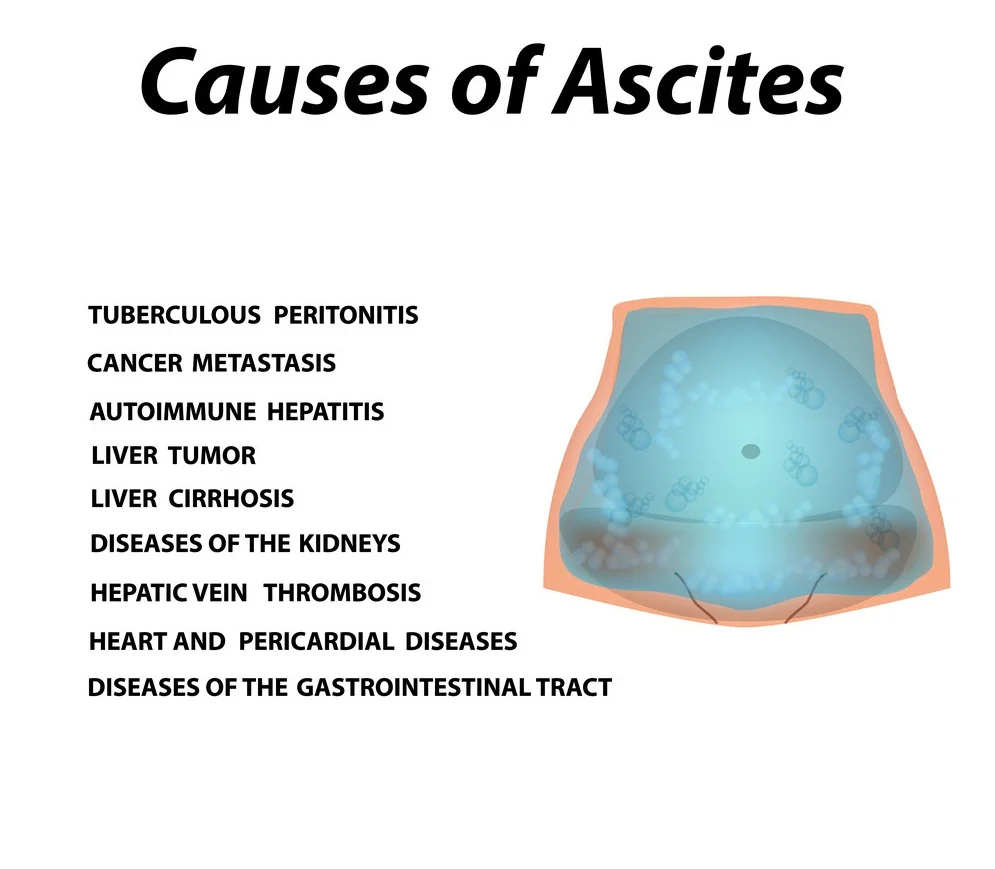
Ascites is a medical condition in which excess fluid accumulates in the abdominal cavity, leading to visible swelling and discomfort. It is not a disease itself but a sign of an underlying health problem, most commonly related to liver disease such as cirrhosis. Other causes may include heart failure, kidney disease, infections, or certain cancers.
Patients with ascites often experience abdominal heaviness, bloating, difficulty breathing, and rapid weight gain due to fluid retention. Early diagnosis and proper management are essential to prevent complications.
In Rohini, patients suffering from Ascites (fluid in abdomen) can consult Dr Rajesh Upadhyay, who provides advanced evaluation and treatment for liver-related fluid buildup and digestive disorders.
Ascites refers to the abnormal buildup of fluid in the peritoneal cavity (space between abdominal organs and abdominal wall). The fluid accumulation usually occurs gradually but can sometimes develop rapidly in severe conditions.
It is most commonly associated with liver cirrhosis, where increased pressure in the liver blood vessels and reduced protein production lead to fluid leakage into the abdomen.
Ascites can develop due to several underlying conditions, including:
Understanding the root cause is crucial for effective treatment.
Common symptoms of ascites include:
As fluid increases, symptoms become more severe and uncomfortable.
You may be at higher risk of ascites if you:
High-risk individuals require regular monitoring for early detection.
Diagnosis is based on clinical evaluation and imaging tests. Common methods include:
Fluid analysis helps identify infection, cancer, or liver-related causes.
The most important step is managing the root disease such as liver cirrhosis, hepatitis, or heart failure.
In severe cases, excess fluid is removed using a medical procedure called paracentesis.
In chronic or recurrent ascites, long-term liver management or transplant evaluation may be required.
Patients in Rohini benefit from specialized care and monitoring provided by Dr Rajesh Upadhyay for Ascites Fluid in Abdomen.
If left untreated, ascites can lead to serious complications such as:
Timely treatment is essential to avoid life-threatening outcomes.
Prevention mainly involves controlling underlying conditions:
Preventive care plays a key role in reducing risk.
Early management of ascites provides:
Timely intervention reduces hospitalizations and complications.
Dr Rajesh Upadhyay provides expert care for ascites and liver-related disorders with:
His expertise ensures effective and compassionate management of Ascites Fluid in Abdomen.


Write a Reply or Comment