
loading
Dysphagia Swallowing Difficulties

Dysphagia Swallowing Difficulties

  • Category : Dysphagia (Swallowing Difficulties)


What Is Dysphagia (Swallowing Difficulty)?

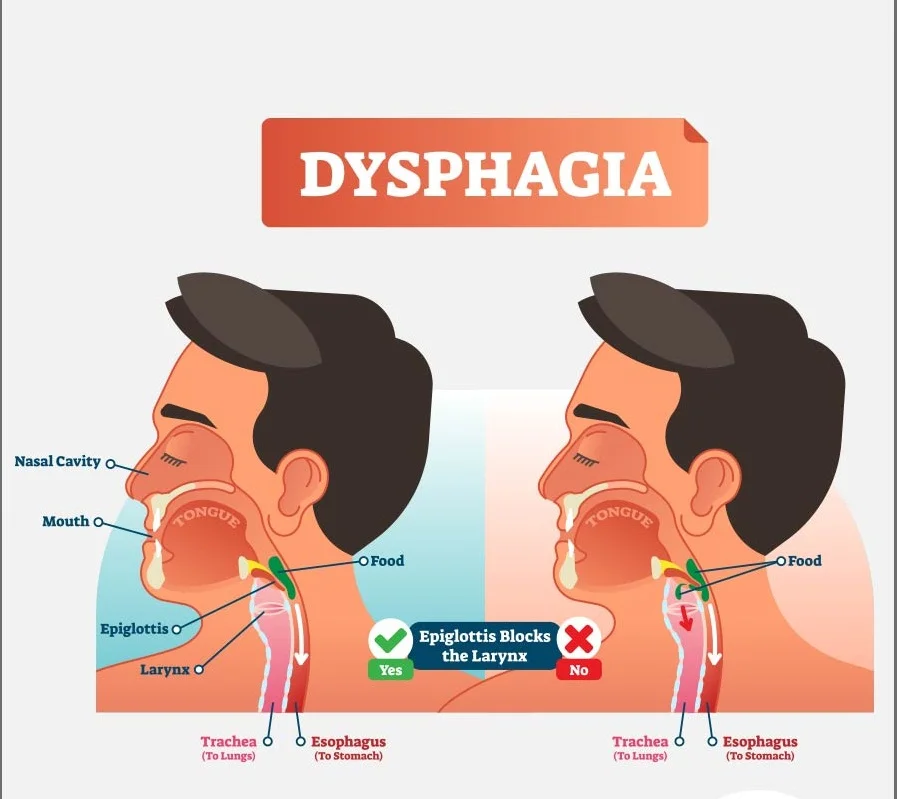
Dysphagia is a medical condition where a person experiences difficulty in moving food or liquid from the mouth to the stomach. It can occur at any stage of swallowing and may involve the throat (pharyngeal dysphagia) or the esophagus (esophageal dysphagia).

Swallowing is a complex process involving muscles, nerves, and coordination between the brain and digestive tract. Any disruption in this process can lead to choking, discomfort, or food getting stuck in the throat or chest.

In Rohini, patients experiencing persistent swallowing problems can consult Dr Rajesh Upadhyay for accurate diagnosis and advanced management of dysphagia and related digestive disorders.


Causes of Dysphagia

Dysphagia can be caused by several medical conditions affecting the throat or esophagus, including:

  • Gastroesophageal reflux disease (GERD)
  • Esophageal strictures (narrowing of the food pipe)
  • Esophageal cancer or tumors
  • Neurological disorders such as stroke or Parkinson’s disease
  • Achalasia (difficulty in esophageal muscle relaxation)
  • Infections or inflammation of the esophagus
  • Muscle weakness in the throat
  • Age-related swallowing dysfunction

Identifying the exact cause is essential for proper treatment planning.


Symptoms of Dysphagia

Common symptoms of swallowing difficulties include:

  • Pain or discomfort while swallowing
  • Feeling of food getting stuck in throat or chest
  • Coughing or choking while eating or drinking
  • Drooling or inability to control saliva
  • Regurgitation of food
  • Unexplained weight loss
  • Recurrent chest infections (due to aspiration)
  • Heartburn or acid reflux

If these symptoms persist, medical evaluation is strongly recommended.


Who Is at Risk?

You may be at higher risk of dysphagia if you:

  • Are elderly (age-related muscle weakness)
  • Have a history of stroke or neurological disease
  • Suffer from chronic acid reflux (GERD)
  • Have esophageal narrowing or tumors
  • Use certain long-term medications affecting muscles or nerves

Early screening is important for high-risk individuals to prevent complications.


Diagnosis of Dysphagia

Accurate diagnosis helps determine the cause and severity of swallowing difficulty. Common diagnostic methods include:

  • Upper gastrointestinal endoscopy
  • Barium swallow X-ray test
  • Esophageal manometry (muscle function test)
  • CT scan or MRI if structural issues are suspected
  • Neurological evaluation in suspected nerve-related cases

These tests help specialists understand whether the problem is mechanical, muscular, or neurological.


Treatment of Dysphagia

Treatment depends on the underlying cause of swallowing difficulty.

1. Medical Treatment

  • Medications for acid reflux (GERD)
  • Anti-inflammatory drugs for esophageal irritation
  • Muscle relaxants in selected cases

2. Endoscopic Procedures

  • Dilation of narrowed esophagus
  • Removal of obstructions or strictures
  • Treatment of ulcers or inflammation

3. Swallowing Therapy

  • Speech and swallowing therapy exercises
  • Dietary modifications (soft or liquid diet initially)
  • Training to improve coordination while swallowing

4. Surgical Treatment

In severe cases like tumors or advanced strictures, surgery may be required.

Patients in Rohini benefit from expert evaluation and treatment plans provided by Dr Rajesh Upadhyay for effective management of Dysphagia (Swallowing Difficulties).


Complications of Untreated Dysphagia

If ignored, dysphagia can lead to serious complications such as:

  • Malnutrition and dehydration
  • Aspiration pneumonia (food entering lungs)
  • Weight loss and weakness
  • Chronic cough and respiratory infections
  • Complete blockage of the esophagus in severe cases

Early treatment is essential to avoid these risks.


Prevention of Dysphagia

While not all causes are preventable, certain measures can reduce risk:

  • Treat acid reflux early
  • Maintain good oral and throat health
  • Eat slowly and chew food properly
  • Avoid very dry or hard-to-swallow foods in elderly patients
  • Manage neurological conditions effectively
  • Regular medical check-ups for high-risk individuals

Lifestyle adjustments can significantly improve swallowing safety.


Benefits of Early Treatment

Early management of dysphagia provides several advantages:

  • Improved ability to eat and drink comfortably
  • Prevention of choking and aspiration
  • Better nutrition and energy levels
  • Reduced risk of lung infections
  • Improved quality of life

Timely intervention ensures safer and more effective swallowing function.


Why Choose Dr Rajesh Upadhyay in Rohini?

Dr Rajesh Upadhyay offers comprehensive care for digestive and esophageal disorders, including dysphagia. Patients benefit from:

  • Advanced diagnostic evaluation
  • Endoscopy-based treatment options
  • Personalized swallowing disorder management
  • Focus on root-cause treatment
  • Long-term follow-up care

His expertise ensures accurate diagnosis and effective relief from swallowing difficulties.

There are no reviews yet.
Be the first to review

Write a Reply or Comment

Your email address will not be published. Required fields are marked *

Get Direction