
loading
Gallstones

Gallstones

  • Category : Gall Stones


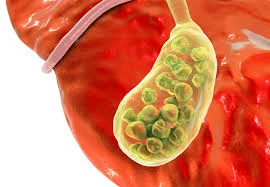
Gallstones are hardened deposits that form inside the gallbladder, a small organ located under the liver. The gallbladder stores bile, which helps in digestion of fats. When substances like cholesterol or bilirubin become imbalanced, they can form stones that vary in size—from tiny grains to larger stones.

Gallstones may remain silent in many patients, but when they block the bile ducts, they can cause severe abdominal pain, nausea, vomiting, and digestive discomfort. In some cases, they may lead to serious complications such as infection or pancreatitis.

In Rohini, patients suffering from gallstones can consult Dr Rajesh Upadhyay, who provides advanced diagnosis and treatment options for gallbladder and digestive disorders.


What Are Gallstones?

Gallstones are solid particles that develop in the gallbladder due to an imbalance in bile composition. They are mainly of two types:

1. Cholesterol Stones

The most common type, formed due to excess cholesterol in bile.

2. Pigment Stones

Formed due to excess bilirubin, often linked with liver or blood disorders.

Gallstones can be single or multiple and may vary in size.


Causes of Gallstones

Several factors contribute to gallstone formation, including:

  • High cholesterol levels in bile
  • Obesity and overweight conditions
  • Rapid weight loss or crash diets
  • Diabetes and metabolic disorders
  • Pregnancy and hormonal changes
  • Liver disease
  • Sedentary lifestyle
  • Genetic predisposition

These factors affect bile balance and increase stone formation risk.


Symptoms of Gallstones

Many gallstones are asymptomatic, but when symptoms occur, they may include:

  • Sudden pain in upper right abdomen
  • Pain after fatty meals
  • Nausea and vomiting
  • Indigestion or bloating
  • Pain radiating to back or right shoulder
  • Fever (in case of infection)
  • Jaundice if bile duct is blocked

Severe pain episodes are known as gallbladder attacks.


Who Is at Risk?

You may be at higher risk of gallstones if you:

  • Are overweight or obese
  • Are female (especially during pregnancy or hormonal therapy)
  • Have diabetes or high cholesterol
  • Eat a high-fat or low-fiber diet
  • Have a family history of gallstones
  • Are above 40 years of age

High-risk individuals should undergo regular check-ups.


Diagnosis of Gallstones

Gallstones are diagnosed using simple and advanced tests such as:

  • Ultrasound abdomen (most common and effective)
  • CT scan if needed
  • MRI or MRCP for bile duct evaluation
  • Blood tests for liver function and infection
  • Endoscopic ultrasound in complex cases

These tests help determine size, number, and location of stones.


Treatment of Gallstones

1. Observation (Asymptomatic Cases)

If gallstones are not causing symptoms, doctors may recommend regular monitoring.

2. Medications

  • Pain relief during acute attacks
  • Medicines to manage infection or inflammation

(Note: Medicines rarely dissolve gallstones completely.)

3. Surgical Treatment (Most Effective)

  • Laparoscopic cholecystectomy is the standard treatment
  • Minimally invasive procedure with small incisions
  • Faster recovery and minimal pain

4. Endoscopic Procedures

In case of bile duct stones, procedures like ERCP may be required.

Patients in Rohini can receive expert surgical and medical care from Dr Rajesh Upadhyay for safe and effective gallstones treatment.


Complications of Untreated Gallstones

If left untreated, gallstones can lead to:

  • Severe gallbladder infection (cholecystitis)
  • Blockage of bile ducts
  • Jaundice
  • Pancreatitis
  • Liver complications
  • Gallbladder rupture in severe cases

Early treatment prevents these complications.


Prevention of Gallstones

Gallstones can often be prevented with healthy habits:

  • Maintain healthy body weight
  • Avoid crash diets or rapid weight loss
  • Eat a high-fiber balanced diet
  • Limit fatty and fried foods
  • Exercise regularly
  • Stay hydrated
  • Control diabetes and cholesterol

Lifestyle changes play a major role in prevention.


Benefits of Early Treatment

Early treatment of gallstones offers:

  • Relief from abdominal pain
  • Prevention of complications
  • Improved digestion
  • Safe and minimally invasive surgery options
  • Better long-term health outcomes

Timely intervention ensures smooth recovery.


Why Choose Dr Rajesh Upadhyay in Rohini?

Dr Rajesh Upadhyay provides expert care for gallstones with:

  • Accurate ultrasound-based diagnosis
  • Advanced laparoscopic surgical expertise
  • Personalized treatment planning
  • Focus on minimally invasive procedures
  • Long-term digestive health management

His approach ensures safe, effective, and patient-friendly gallbladder stone treatment.

There are no reviews yet.
Be the first to review

Write a Reply or Comment

Your email address will not be published. Required fields are marked *

Get Direction