
loading
Jaundice

Jaundice

  • Category : Jaundice


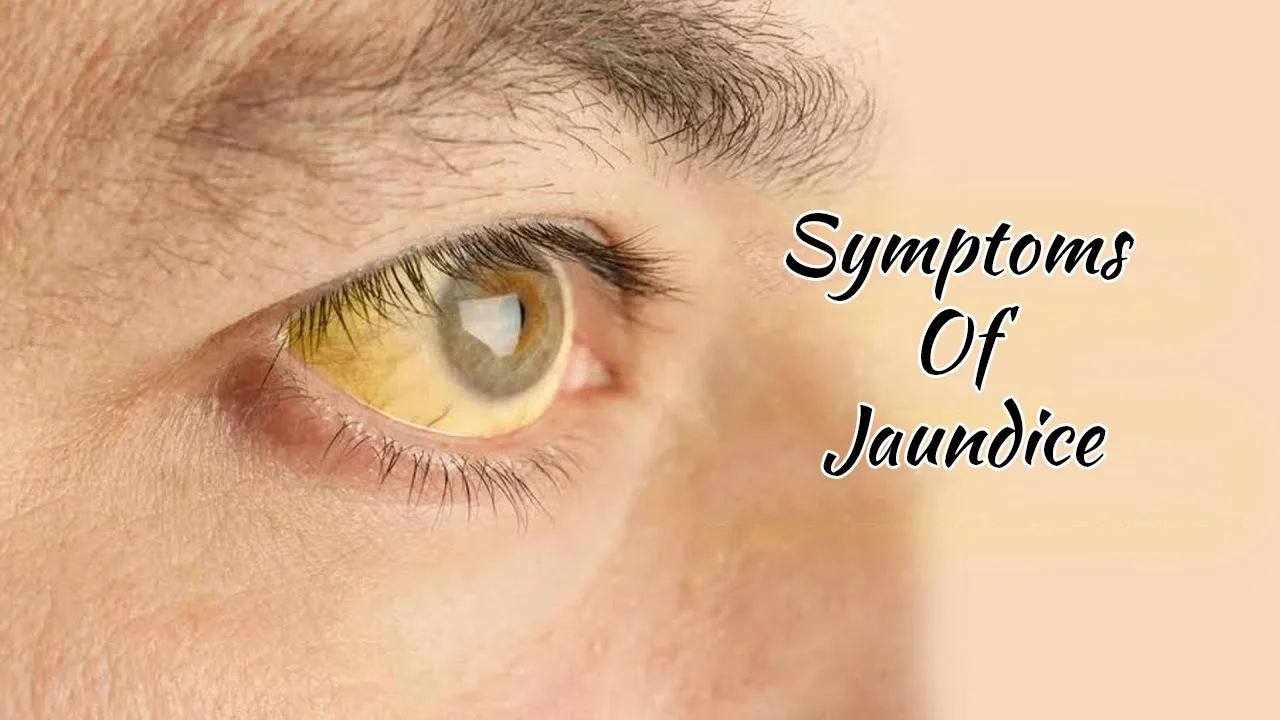
Jaundice is a medical condition characterized by yellow discoloration of the skin, eyes, and mucous membranes due to increased levels of bilirubin in the blood. It is not a disease itself but a symptom of underlying liver, gallbladder, or blood disorders.

Jaundice can occur in people of all ages and may range from mild to severe depending on the underlying cause. Common causes include hepatitis, liver infection, bile duct blockage, alcoholic liver disease, or hemolytic disorders.

In Rohini, patients seeking expert care for Jaundice can consult Dr Rajesh Upadhyay, who provides advanced diagnosis and treatment for liver and digestive system disorders.


What Is Jaundice?

Jaundice occurs when the liver is unable to properly process bilirubin, a yellow pigment produced during the breakdown of red blood cells. Normally, the liver filters bilirubin and removes it from the body through bile. When this process is disrupted, bilirubin accumulates in the blood, leading to yellowing of the skin and eyes.

There are three main types of jaundice:

1. Pre-hepatic Jaundice

Caused by excessive breakdown of red blood cells.

2. Hepatic Jaundice

Caused by liver diseases such as hepatitis or cirrhosis.

3. Post-hepatic Jaundice

Caused by blockage in bile ducts (gallstones or tumors).


Causes of Jaundice

Jaundice can be caused by several conditions, including:

  • Hepatitis A, B, or C infections
  • Alcoholic liver disease
  • Fatty liver disease
  • Liver cirrhosis
  • Gallstones blocking bile ducts
  • Pancreatic or liver tumors
  • Hemolytic anemia (rapid RBC breakdown)
  • Drug-induced liver injury

Identifying the exact cause is essential for proper treatment.


Symptoms of Jaundice

Common symptoms include:

  • Yellowing of skin and eyes
  • Dark-colored urine
  • Pale or clay-colored stools
  • Fatigue and weakness
  • Abdominal pain (especially right upper side)
  • Loss of appetite
  • Nausea or vomiting
  • Itching of skin

Severity depends on the underlying condition causing jaundice.


Who Is at Risk?

You may be at higher risk of jaundice if you:

  • Have liver disease or hepatitis infection
  • Consume alcohol excessively
  • Have gallstones or bile duct issues
  • Take medications affecting the liver
  • Have a history of blood disorders
  • Have poor dietary habits or infections

Regular monitoring is important for high-risk individuals.


Diagnosis of Jaundice

Accurate diagnosis helps identify the underlying cause. Common tests include:

  • Liver function tests (LFTs)
  • Bilirubin level testing
  • Complete blood count (CBC)
  • Ultrasound abdomen
  • CT scan or MRI if required
  • Hepatitis virus screening
  • Endoscopic tests for bile duct blockage

These investigations help determine whether the cause is liver, blood, or bile-related.


Treatment of Jaundice

1. Treating the Underlying Cause

Treatment depends entirely on the root condition, such as hepatitis, gallstones, or liver disease.

2. Medications

  • Antiviral drugs for hepatitis
  • Antibiotics for infections
  • Liver-protective medications
  • Medicines to relieve symptoms like itching or nausea

3. Dietary and Lifestyle Changes

  • Light, easily digestible diet
  • Avoid alcohol completely
  • High fluid intake
  • Low-fat meals

4. Surgical or Procedural Treatment

  • Gallstone removal if bile duct obstruction exists
  • Endoscopic procedures (ERCP) in blocked bile ducts
  • Advanced liver care in severe cases

Patients in Rohini receive expert diagnosis and personalized treatment from Dr Rajesh Upadhyay for effective jaundice management.


Complications of Untreated Jaundice

If left untreated, jaundice can lead to serious complications such as:

  • Liver failure
  • Severe infections
  • Brain dysfunction (hepatic encephalopathy)
  • Internal bleeding
  • Chronic liver disease progression

Early treatment is crucial to avoid life-threatening outcomes.


Prevention of Jaundice

Preventive measures include:

  • Vaccination for hepatitis A and B
  • Avoiding alcohol abuse
  • Maintaining hygiene and safe food practices
  • Regular health check-ups
  • Managing liver and gallbladder conditions early
  • Avoiding unnecessary medications harmful to the liver

Prevention plays a key role in liver health protection.


Benefits of Early Treatment

Early treatment of jaundice provides:

  • Faster recovery of liver function
  • Prevention of complications
  • Reduced risk of chronic liver disease
  • Improved digestion and energy levels
  • Better overall health outcomes

Timely medical care significantly improves prognosis.


Why Choose Dr Rajesh Upadhyay in Rohini?

Dr Rajesh Upadhyay offers expert care for jaundice and liver disorders with:

  • Advanced diagnostic facilities
  • Accurate identification of underlying cause
  • Personalized treatment plans
  • Evidence-based liver care
  • Long-term follow-up and monitoring

His expertise ensures safe and effective management of Jaundice in all age groups.

There are no reviews yet.
Be the first to review

Write a Reply or Comment

Your email address will not be published. Required fields are marked *

Get Direction