
loading
Alcoholic Liver Disease

Alcoholic Liver Disease

  • Category : Alcoholic Liver Disease


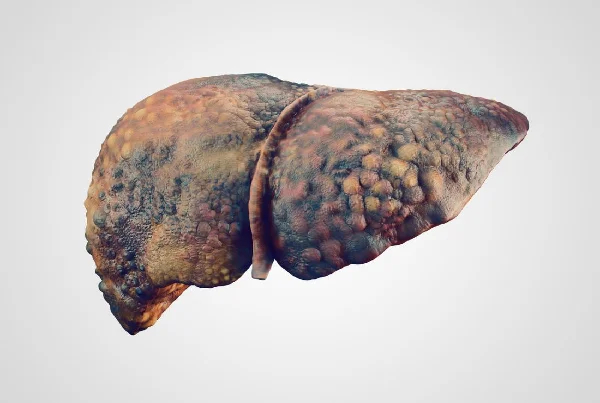
Alcoholic Liver Disease (ALD) is a serious condition caused by excessive and long-term alcohol consumption. It affects the liver’s ability to function properly and can lead to inflammation, fatty liver, alcoholic hepatitis, and even liver cirrhosis. The liver plays a vital role in detoxifying the body, producing essential proteins, and aiding digestion. When damaged by alcohol, these functions are severely affected, leading to long-term health complications.

In Rohini, patients seeking advanced and reliable care for Alcoholic Liver Disease can consult Dr Rajesh Upadhyay, who provides expert diagnosis and personalized treatment plans for liver-related disorders.


What Is Alcoholic Liver Disease?

Alcoholic Liver Disease refers to liver damage caused by excessive alcohol intake over time. The condition usually progresses in stages:

  1. Fatty Liver (Steatosis): Early stage where fat accumulates in liver cells
  2. Alcoholic Hepatitis: Inflammation and swelling of the liver
  3. Alcoholic Cirrhosis: Permanent scarring of liver tissue

If left untreated, Alcoholic Liver Disease can become life-threatening. Early diagnosis and lifestyle changes are crucial to prevent irreversible damage.


Causes of Alcoholic Liver Disease

The primary cause is heavy alcohol consumption, but several factors increase the risk:

  • Long-term alcohol abuse
  • Genetic susceptibility
  • Poor nutrition
  • Obesity or metabolic disorders
  • Concurrent liver infections (like hepatitis B or C)

Alcohol breaks down into toxic substances in the liver, causing inflammation and cell damage over time.


Symptoms of Alcoholic Liver Disease

Symptoms may vary depending on the stage of the disease. Common signs include:

  • Fatigue and weakness
  • Loss of appetite
  • Nausea and vomiting
  • Abdominal pain (especially right upper side)
  • Yellowing of skin and eyes (jaundice)
  • Swelling in legs and abdomen
  • Weight loss
  • Dark urine and pale stools

In advanced cases, confusion or bleeding disorders may occur due to severe liver dysfunction.


Who Is at Risk?

You are at higher risk of Alcoholic Liver Disease if you:

  • Consume alcohol regularly or in excess
  • Have a family history of liver disease
  • Have poor dietary habits
  • Suffer from obesity or diabetes
  • Smoke along with alcohol use

Early screening is essential for individuals with these risk factors.


Diagnosis of Alcoholic Liver Disease

Accurate diagnosis helps determine the stage and severity of liver damage. Common diagnostic methods include:

  • Liver function tests (LFTs)
  • Ultrasound abdomen
  • FibroScan for liver stiffness
  • CT scan or MRI if required
  • Blood tests for hepatitis screening
  • Liver biopsy in advanced cases

These tests help specialists assess the extent of liver damage and plan treatment accordingly.


Treatment of Alcoholic Liver Disease

Treatment depends on the stage of the disease and overall health condition.

1. Alcohol Cessation (Most Important Step)

Stopping alcohol consumption completely is the most crucial part of treatment. Without this, liver damage continues to progress.

2. Medications

  • Vitamin supplements (especially B-complex and folic acid)
  • Anti-inflammatory medications for alcoholic hepatitis
  • Medicines to manage complications like fluid retention or infections

3. Nutritional Support

  • High-protein balanced diet
  • Adequate calories and vitamins
  • Avoiding fatty and processed foods

4. Advanced Liver Care

In severe cases such as cirrhosis, long-term management or liver transplant evaluation may be required.

Patients in Rohini receive structured and personalized treatment plans from Dr Rajesh Upadhyay to manage Alcoholic Liver Disease effectively.


Complications of Untreated Alcoholic Liver Disease

If ignored, ALD can lead to serious complications such as:

  • Liver cirrhosis
  • Liver failure
  • Internal bleeding
  • Ascites (fluid in abdomen)
  • Hepatic encephalopathy (brain dysfunction due to toxins)
  • Increased risk of liver cancer

Timely treatment is essential to avoid irreversible damage.


Prevention of Alcoholic Liver Disease

Prevention is always better than cure. Key preventive steps include:

  • Limiting or avoiding alcohol consumption
  • Maintaining a healthy diet
  • Regular exercise
  • Managing weight and diabetes
  • Regular liver check-ups if alcohol is consumed

Lifestyle modification plays a major role in preventing liver damage.


Benefits of Early Treatment

Early treatment of Alcoholic Liver Disease offers several advantages:

  • Reversal of fatty liver in early stages
  • Prevention of liver scarring
  • Improved digestion and energy levels
  • Reduced risk of complications
  • Better long-term liver health

Early intervention significantly improves prognosis and quality of life.


Why Choose Dr Rajesh Upadhyay in Rohini?

Dr Rajesh Upadhyay provides comprehensive liver care with a patient-centered approach. Patients benefit from:

  • Accurate staging of liver disease
  • Evidence-based treatment plans
  • Advanced diagnostic tools
  • Focus on lifestyle correction
  • Long-term follow-up care


There are no reviews yet.
Be the first to review

Write a Reply or Comment

Your email address will not be published. Required fields are marked *

Get Direction