
loading
Diarrheal Disease

Diarrheal Disease

  • Category : Digestive Disease Inc. Diarreha/Constipation


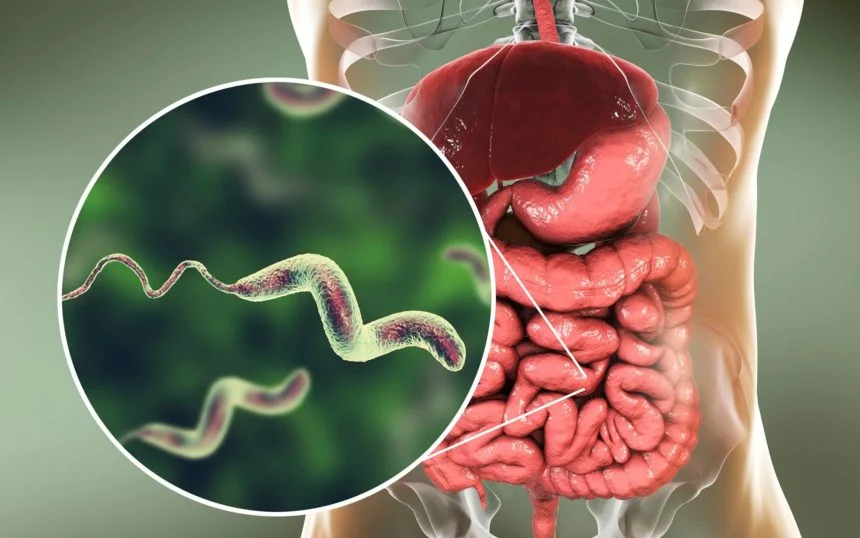
Diarrheal Disease refers to a condition where a person passes loose, watery stools frequently, often more than three times a day. It is one of the most common digestive problems affecting people of all ages and can range from mild and self-limiting to severe and life-threatening if dehydration occurs.

Diarrhea is usually caused by infections, contaminated food or water, digestive disorders, or sometimes as a side effect of medications. While most cases resolve within a few days, persistent diarrhea requires medical attention.

In Rohini, patients experiencing Diarrheal Disease can consult Dr Rajesh Upadhyay, who provides advanced diagnosis and effective treatment for gut infections and digestive disorders.


What Is Diarrheal Disease?

Diarrheal Disease is a condition affecting the digestive system where the intestines are unable to properly absorb fluids, leading to loose or watery stools. It may be:

1. Acute Diarrhea

Lasts for a few days, usually caused by infections or food poisoning.

2. Chronic Diarrhea

Lasts for more than 2–4 weeks and may indicate underlying conditions like IBS, IBD, or malabsorption disorders.

Proper evaluation is necessary to identify the type and cause.


Causes of Diarrheal Disease

Diarrhea can be caused by several factors, including:

  • Viral infections (rotavirus, norovirus)
  • Bacterial infections (E. coli, Salmonella, Shigella)
  • Contaminated food or water
  • Food poisoning
  • Intestinal parasites
  • Lactose intolerance or food allergies
  • Irritable Bowel Syndrome (IBS)
  • Side effects of antibiotics or medications

Poor hygiene and unsafe drinking water are common risk factors.


Symptoms of Diarrheal Disease

Common symptoms include:

  • Frequent loose or watery stools
  • Abdominal cramps and pain
  • Urgency to pass stool
  • Nausea and vomiting
  • Fever in infectious cases
  • Weakness and fatigue
  • Signs of dehydration (dry mouth, dizziness, reduced urination)

Severe cases can lead to significant fluid loss and electrolyte imbalance.


Who Is at Risk?

You may be at higher risk of Diarrheal Disease if you:

  • Consume contaminated food or water
  • Have weak immunity
  • Travel frequently to areas with poor sanitation
  • Are a child or elderly person
  • Use antibiotics frequently
  • Have chronic digestive disorders

High-risk individuals require prompt medical care.


Diagnosis of Diarrheal Disease

Diagnosis helps identify the cause and severity of infection. Common tests include:

  • Stool examination and culture
  • Blood tests for infection and dehydration
  • Electrolyte levels
  • Ultrasound abdomen if required
  • Colonoscopy in chronic cases

These tests help guide targeted treatment.


Treatment of Diarrheal Disease

1. Rehydration Therapy (Most Important)

  • Oral rehydration solution (ORS)
  • IV fluids in severe dehydration cases
  • Electrolyte replacement

2. Medications

  • Antibiotics for bacterial infections (if needed)
  • Anti-parasitic drugs
  • Probiotics to restore gut flora
  • Anti-motility drugs in selected cases

3. Dietary Management

  • Light and easily digestible foods
  • Avoid spicy, oily, and dairy-heavy foods initially
  • Increase fluid intake

4. Treatment of Underlying Cause

Conditions like IBS or infections require specific medical management.

Patients in Rohini benefit from personalized treatment plans from Dr Rajesh Upadhyay for effective management of Diarrheal Disease.


Complications of Untreated Diarrhea

If not treated properly, diarrheal disease can lead to:

  • Severe dehydration
  • Electrolyte imbalance
  • Kidney stress or failure in extreme cases
  • Malnutrition (especially in children)
  • Weakness and fatigue
  • Life-threatening complications in severe infections

Immediate treatment is essential in high-risk cases.


Prevention of Diarrheal Disease

Preventive measures include:

  • Drinking clean and safe water
  • Maintaining proper hand hygiene
  • Eating freshly cooked food
  • Avoiding street food in unsafe conditions
  • Proper sanitation practices
  • Vaccination (for certain infections like rotavirus)

Hygiene plays a key role in prevention.


Benefits of Early Treatment

Early treatment of Diarrheal Disease provides:

  • Quick relief from symptoms
  • Prevention of dehydration
  • Faster recovery
  • Reduced risk of complications
  • Better gut health restoration

Timely care ensures safe recovery, especially in children and elderly patients.


Why Choose Dr Rajesh Upadhyay in Rohini?

Dr Rajesh Upadhyay offers expert care for diarrheal and digestive diseases with:

  • Accurate diagnosis of infection source
  • Emergency dehydration management
  • Evidence-based medication plans
  • Focus on gut health restoration
  • Patient-centered follow-up care

His clinical expertise ensures safe and effective treatment of Diarrheal Disease.

There are no reviews yet.
Be the first to review

Write a Reply or Comment

Your email address will not be published. Required fields are marked *

Get Direction