
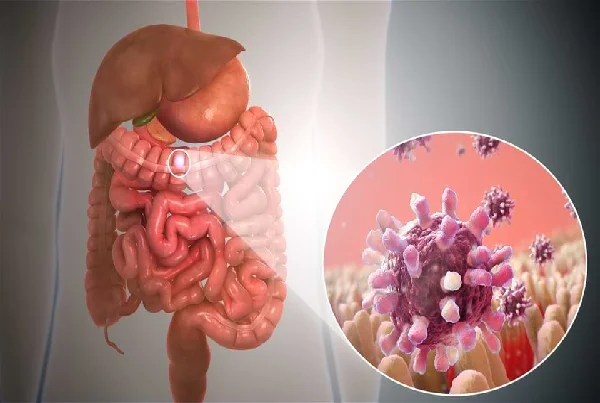
Gastrointestinal (GI) and Hepatobiliary cancers are a group of serious cancers that affect the digestive system, including the stomach, intestines, liver, pancreas, gallbladder, and bile ducts. These cancers often develop silently in early stages and may only show symptoms when the disease becomes advanced.
Early detection and timely treatment play a crucial role in improving survival rates and quality of life. Modern cancer care focuses on accurate diagnosis, multidisciplinary treatment, and personalized therapy plans.
In Rohini, patients seeking expert care for Gastrointestinal and Hepatobiliary cancers can consult Dr Rajesh Upadhyay, who provides advanced evaluation and treatment planning for digestive and liver-related cancers.
These cancers affect different parts of the digestive and hepatobiliary system:
These cancers vary in severity, progression, and treatment approach.
Several factors increase the risk of GI and hepatobiliary cancers, including:
Lifestyle and infection-related factors play a major role in many cases.
Symptoms often depend on the location of cancer, but common signs include:
Since symptoms may appear late, regular screening is important for high-risk individuals.
You may be at higher risk of these cancers if you:
Early screening is essential for high-risk patients.
Accurate diagnosis helps determine cancer type, stage, and treatment options. Common methods include:
These tools help build a precise treatment plan.
Patients in Rohini receive comprehensive cancer evaluation and treatment planning from Dr Rajesh Upadhyay for GI and hepatobiliary cancers.
If left untreated, these cancers can lead to:
Early intervention significantly improves outcomes.
While not all cancers are preventable, risk can be reduced by:
Lifestyle changes play a major preventive role.
Early detection and treatment offer:
Timely diagnosis is the most important factor in cancer care success.
Dr Rajesh Upadhyay provides expert multidisciplinary care for digestive and liver cancers with:
His expertise ensures structured and evidence-based cancer management.


Write a Reply or Comment